Easy Battery Fix: Discover Practical Ways to Maintain Batteries
Easy Battery Fix: Explore Smarter Battery Maintenance Solutions
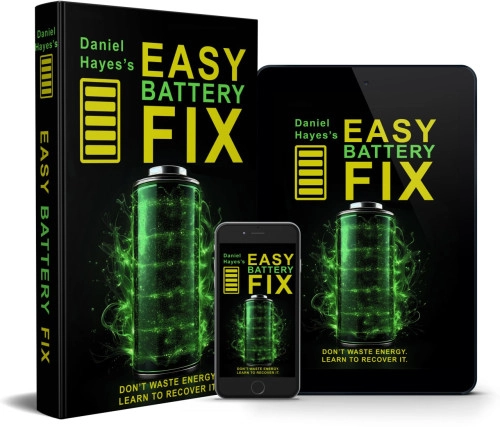
Easy Battery Fix: Explore Smarter Battery Maintenance Solutions
Discover a practical approach to understanding battery maintenance, care, troubleshooting, and reconditioning with Easy Battery Fix.
The Effortless Way to Learn More About Battery Care
Batteries are an important part of everyday life. They power vehicles, tools, backup systems, electronics, and many other devices. When a battery becomes weak or stops providing the expected performance, replacing it immediately may seem like the only option. However, understanding basic battery care and maintenance can help users make more informed decisions about their batteries.
Easy Battery Fix is presented as a practical resource for people interested in learning more about battery maintenance and reconditioning. Instead of treating every battery problem as identical, the process starts with understanding the battery type, its condition, charging requirements, and possible reasons for reduced performance.
Battery reconditioning is not a guaranteed solution for every battery. Batteries differ considerably depending on their chemistry, construction, age, usage history, and physical condition. A responsible approach is therefore based on information, proper equipment, manufacturer guidance, and safety.
What Is Easy Battery Fix?
Easy Battery Fix is designed around the idea of making battery maintenance and reconditioning information easier to understand. Battery problems can sometimes be confusing, particularly for people who have limited experience with rechargeable batteries.
A structured approach can help users understand basic battery terminology, identify common causes of battery performance problems, recognize suitable maintenance practices, and determine when a battery should no longer be used.
The emphasis should be on responsible battery care rather than assuming that every battery described as "dead" can be restored. Sometimes a battery is simply discharged. In other situations, it may have suffered permanent internal deterioration or physical damage.
Why Do Batteries Lose Their Performance?
Rechargeable batteries naturally change over time. Repeated charging and discharging, storage conditions, temperature, charging practices, and age can all influence battery performance.
In some lead-acid batteries, for example, prolonged periods of partial charge can contribute to sulfation. Other battery chemistries have their own degradation mechanisms and charging requirements.
Common reasons for reduced battery performance include:
- Repeated charge and discharge cycles
- Long-term storage
- Extreme temperatures
- Incorrect charging practices
- Deep discharge
- Corroded or poor electrical connections
- Natural chemical aging
- Physical damage
Understanding the underlying reason for a battery problem is important before choosing any maintenance or reconditioning approach.
How Battery Reconditioning Works
Battery reconditioning does not refer to one universal process. Different battery chemistries require different procedures, and a technique that may be appropriate for one battery should not automatically be used with another.
Depending on the battery type, appropriate maintenance may involve inspection, cleaning connections, checking voltage, following a suitable charging procedure, or using manufacturer-approved equipment.
Lead-acid batteries, lithium-ion batteries, nickel-metal hydride batteries, and other rechargeable technologies have different characteristics. Therefore, identifying the battery chemistry should always be an early step.
Important: Batteries that are swollen, leaking, cracked, severely damaged, unusually hot, or showing other warning signs should not be treated as normal reconditioning projects.
Potential Benefits of Better Battery Maintenance
Learning proper battery maintenance can provide practical benefits. Although results vary depending on battery condition, good maintenance habits can help users understand their equipment and potentially avoid unnecessary battery problems.
- Better understanding of battery condition
- Improved awareness of charging practices
- More informed replacement decisions
- Better long-term battery care
- Reduced risk of inappropriate charging
- Greater awareness of battery safety
- Improved understanding of rechargeable battery technology
The main value of a battery-maintenance resource is not simply attempting to make an old battery work again. It is also about helping users understand why batteries deteriorate and how they can be handled more responsibly.
What Makes Easy Battery Fix Useful?
For beginners, battery terminology and maintenance instructions can feel complicated. A practical resource can organize the subject into easier sections so users can learn the basics before making decisions about a particular battery.
Easy Battery Fix can be considered as part of a broader learning approach covering battery identification, maintenance, charging, troubleshooting, and responsible handling.
Users should still check their battery manufacturer's instructions because recommended procedures vary by model and chemistry.
Key Areas to Understand
- Battery Type: Identify the chemistry and intended application before attempting maintenance.
- Battery Condition: Inspect the battery for visible damage, corrosion, swelling, leakage, or other warning signs.
- Charging Requirements: Use equipment specifically designed for the battery type.
- Testing: Understand that measuring voltage alone may not provide a complete picture of battery health.
- Safety: Stop using batteries that show signs of dangerous damage or abnormal behavior.
Product Image
Easy Battery Fix provides information-focused guidance for people interested in understanding battery maintenance, charging, troubleshooting, and responsible reconditioning practices.
Easy Battery Fix vs. Other Approaches
Battery problems can be approached in several ways. The appropriate option depends on the battery's condition, type, age, cost, and intended use. The following comparison provides a general overview.
| Approach | Main Purpose | Suitable For | Important Consideration |
|---|---|---|---|
| Easy Battery Fix | Learn about battery care and reconditioning | Users interested in battery maintenance | Battery type and condition must be considered |
| Basic Maintenance | Maintain battery condition | Suitable rechargeable batteries | Follow manufacturer instructions |
| Professional Service | Diagnosis or specialized battery service | Complex or valuable battery systems | Professional assessment may be required |
| Battery Replacement | Replace an unsuitable or failed battery | Damaged or end-of-life batteries | Choose the correct replacement specification |
Battery Safety Comes First
Battery maintenance should never take priority over personal safety. Rechargeable batteries can store significant amounts of energy, and some battery chemistries can present fire, chemical, or electrical hazards when mishandled.
Before working with a battery, inspect its physical condition. Do not attempt to restore a battery that is swollen, leaking, cracked, burned, severely corroded, or producing unusual heat or odors.
Always use compatible charging equipment. Never intentionally short-circuit a battery, bypass safety systems, or use an unsuitable charger simply because it appears convenient.
When in doubt, consult the battery manufacturer or a qualified technician. Damaged batteries should be handled and recycled according to appropriate local guidelines.
Simple Battery Maintenance Tips
Good maintenance can be an important part of getting reliable performance from rechargeable batteries. The exact requirements vary, but several general practices are useful.
- Use the charger recommended for the battery.
- Follow the manufacturer's storage instructions.
- Avoid exposing batteries to extreme temperatures.
- Keep suitable battery terminals and connections clean.
- Inspect batteries regularly for physical changes.
- Avoid unnecessary deep discharge.
- Do not use damaged batteries.
- Recycle batteries through appropriate collection programs.
These simple habits can help users recognize problems earlier and make better decisions about battery replacement or maintenance.
Who May Be Interested in Easy Battery Fix?
Battery maintenance information can be useful for vehicle owners, DIY enthusiasts, tool users, people managing backup power equipment, and anyone who regularly works with rechargeable batteries.
Beginners may also find structured information helpful because it provides an opportunity to learn the fundamentals before experimenting with battery equipment.
The resource can be especially relevant to people who want to understand why batteries lose capacity and what factors should be considered before deciding whether to maintain, replace, or recycle a battery.
Is Every Dead Battery Repairable?
No. The term "dead battery" can describe several different conditions. A battery may simply be discharged, or it may have suffered permanent internal deterioration.
Battery age, chemistry, previous charging history, storage conditions, and physical condition all influence whether a battery remains suitable for further use.
A battery that is physically damaged or showing dangerous symptoms should not be treated as an ordinary restoration project. Replacement and responsible recycling may be more appropriate.
What Should You Check Before Reconditioning?
- Identify the battery chemistry.
- Check the manufacturer's specifications.
- Inspect the battery for physical damage.
- Check whether the battery is suitable for further use.
- Use compatible testing and charging equipment.
- Work in an appropriate environment.
- Stop if the battery behaves abnormally.
Taking these steps can help reduce unnecessary risks and prevent users from applying an unsuitable procedure to the wrong type of battery.
Frequently Asked Questions
1. What is Easy Battery Fix?
Easy Battery Fix is a resource focused on battery maintenance, troubleshooting, and reconditioning information. It is intended to help users better understand rechargeable battery care and related practices.
2. Can Easy Battery Fix restore every dead battery?
No method can guarantee restoration of every dead battery. Results depend on battery chemistry, age, condition, damage, and other factors.
3. Is battery reconditioning safe?
Safety depends on the battery type, procedure, equipment, and condition. Damaged, swollen, leaking, or overheating batteries should not be treated as normal reconditioning projects.
4. Can lithium-ion batteries be treated like lead-acid batteries?
No. Different battery chemistries have different charging requirements and safety characteristics. Users should follow the manufacturer's specific instructions.
5. Does voltage testing tell me everything about battery health?
No. Voltage is useful information, but it does not necessarily indicate the complete capacity or condition of a battery. Appropriate testing depends on the battery type and application.
6. When should a battery be replaced?
Replacement may be appropriate when a battery has reached the end of its useful life, has serious physical damage, cannot safely hold a charge, or no longer performs reliably for its intended application.
7. Why is battery chemistry important?
Battery chemistry determines important characteristics such as charging requirements, operating behavior, maintenance considerations, and safety precautions.
8. Can battery maintenance extend battery life?
Proper maintenance can support reliable battery operation, although it cannot prevent normal aging or guarantee a particular service life.
9. What should I do with a damaged battery?
Stop using it and follow appropriate manufacturer or local recycling guidance. Do not place potentially hazardous damaged batteries into ordinary household waste unless local authorities specifically permit it.
10. Where can I learn more?
Visit the official product website for additional information:
Take the Next Step
If you want to learn more about battery maintenance, reconditioning, charging practices, and practical battery-care information, explore Easy Battery Fix and review the available details before deciding what approach is appropriate for your battery.
Remember that battery condition and chemistry matter. Always follow manufacturer instructions and prioritize safety when handling rechargeable batteries.
Ready to explore more?